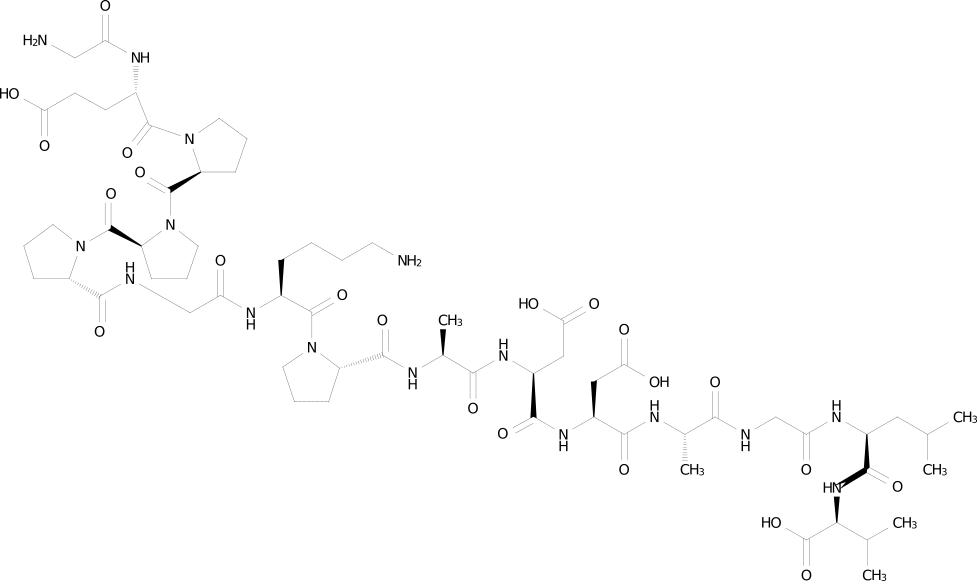
What is BPC-157?
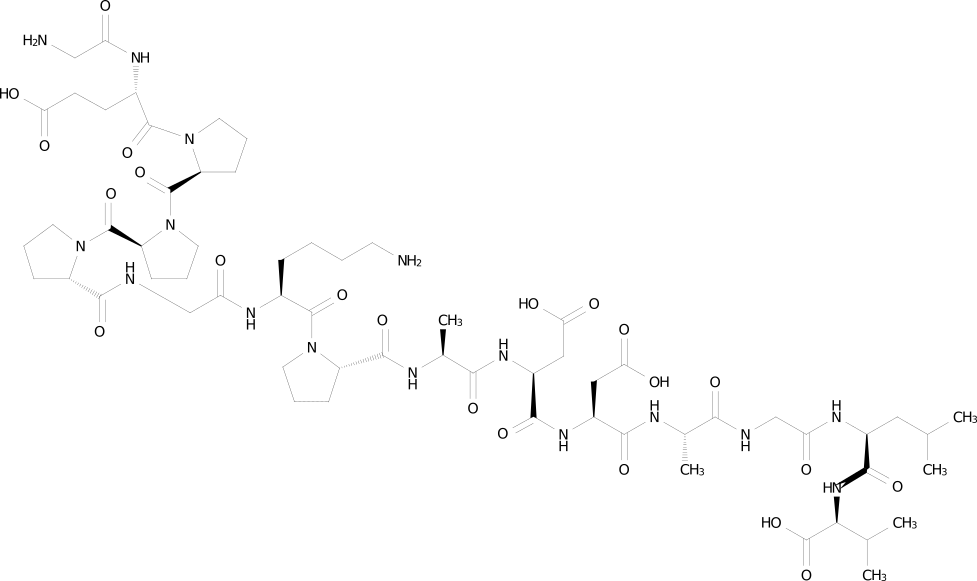
BPC-157 is a synthetic pentadecapeptide composed of 15 amino acids. It was originally derived from a naturally occurring protein fragment identified in gastric tissue. Since its discovery in the early 1990s, BPC-157 has been studied extensively in controlled experimental settings for its potential influence on molecular signaling, structural remodeling, and angiogenic processes.
Chemical Profile
Published Research Findings
The following findings are summarized from peer-reviewed literature cited in the References section below.
BPC-157 has been studied in structural, vascular, epithelial, and systemic models, with reports of activity in collagen regulation, extracellular matrix remodeling, angiogenesis, and molecular migration. Research also highlights signaling roles in preclinical systems, supporting molecular integrity and pathway dynamics.
Key Areas Identified in the Literature:
Origin & Discovery
BPC-157 (Body Protective Compound 157) is a synthetic pentadecapeptide composed of 15 amino acids, derived from a protein fragment originally identified in human gastric juice. The compound was first characterized and synthesized by Sikiric et al. in 1993, who proposed that the stomach — as the largest neuroendocrine organ in the body — may initiate a systemic counter-response to stress through the secretion of endogenous protective compounds. BPC-157 represents one such compound, identified as a key fragment of the larger BPC protein (molecular weight approximately 40,000 Da). Subsequent research demonstrated that this peptide exhibits organoprotective properties across virtually all organ systems tested in multiple species, effective at dosages in the microgram and nanogram per kilogram range, both intraperitoneally, intragastrically, and via intramucosal routes. Effects were observed after a single application, with long-lasting activity also demonstrated in laboratory models. (Source: Sikiric P. et al., 1993 — PMID: 8298609)
Wound Healing & Tissue Repair Research
A 2015 study by Hsieh et al. investigated the effect of topical BPC-157 on wound healing using an alkali burn rat model — a chemical burn model relevant due to the depth of tissue penetration that alkaline burns produce. Topical BPC-157 treatment was shown to accelerate wound closure significantly. Histological examination using hematoxylin-eosin and Masson staining revealed improved granulation tissue formation, reepithelialization, dermal remodeling, and collagen deposition by day 18 post-wounding. The study also found that BPC-157 promoted VEGF (vascular endothelial growth factor) expression in wounded skin tissues and enhanced proliferation and migration of human umbilical vein endothelial cells (HUVECs) in vitro — a key marker of angiogenic potential. The authors concluded that BPC-157 may represent a novel candidate for accelerating wound repair through both cellular and vascular mechanisms. (Source: Hsieh MJ. et al., 2015 — PMID: 25995620)
Mechanisms Identified Across Biological Pathways
Research has identified BPC-157 as acting across multiple biological pathways simultaneously, which has made it a subject of considerable scientific interest. Laboratory models have documented activity related to nitric oxide synthesis modulation, VEGF-dependent angiogenesis, tendon and ligament tissue remodeling, gut mucosal protection, and neuroprotective signaling. The compound appears to interact with the NO-system and the prostaglandin system, with effects on growth hormone receptor expression also noted. Its multi-pathway activity profile is unusual among synthetic peptides and has led researchers to study it across diverse biological contexts ranging from musculoskeletal injury to gastrointestinal protection. All findings cited here are derived from preclinical laboratory research; BPC-157 has not been approved by any regulatory agency for human use. (Source: Sikiric P. et al., 2020)
References
All research findings on this page are derived from the following peer-reviewed publications. Peptide Royalty makes no independent claims — all statements are attributable to the cited authors and their respective studies.
Source BPC-157 for Your Research
Laboratory tested · USA manufactured · COA available on every batch
Shop All Products →