What is DSIP?
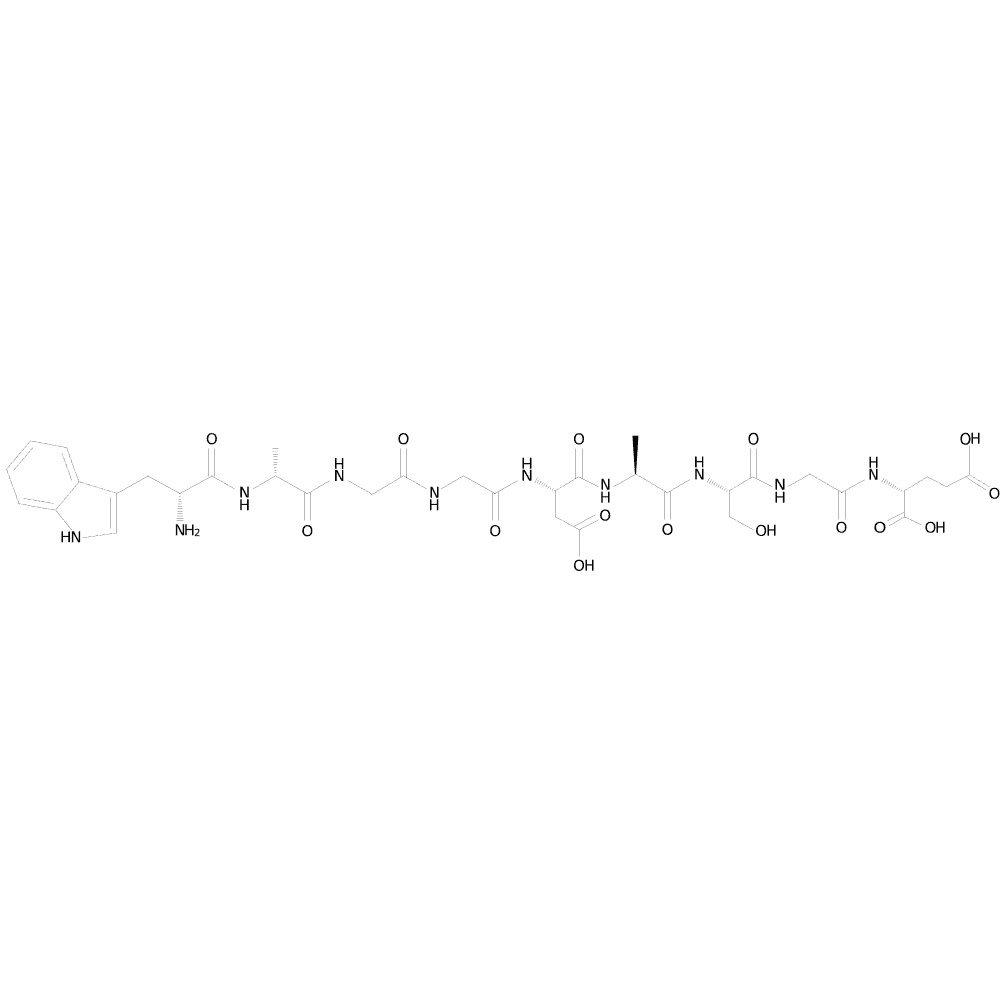
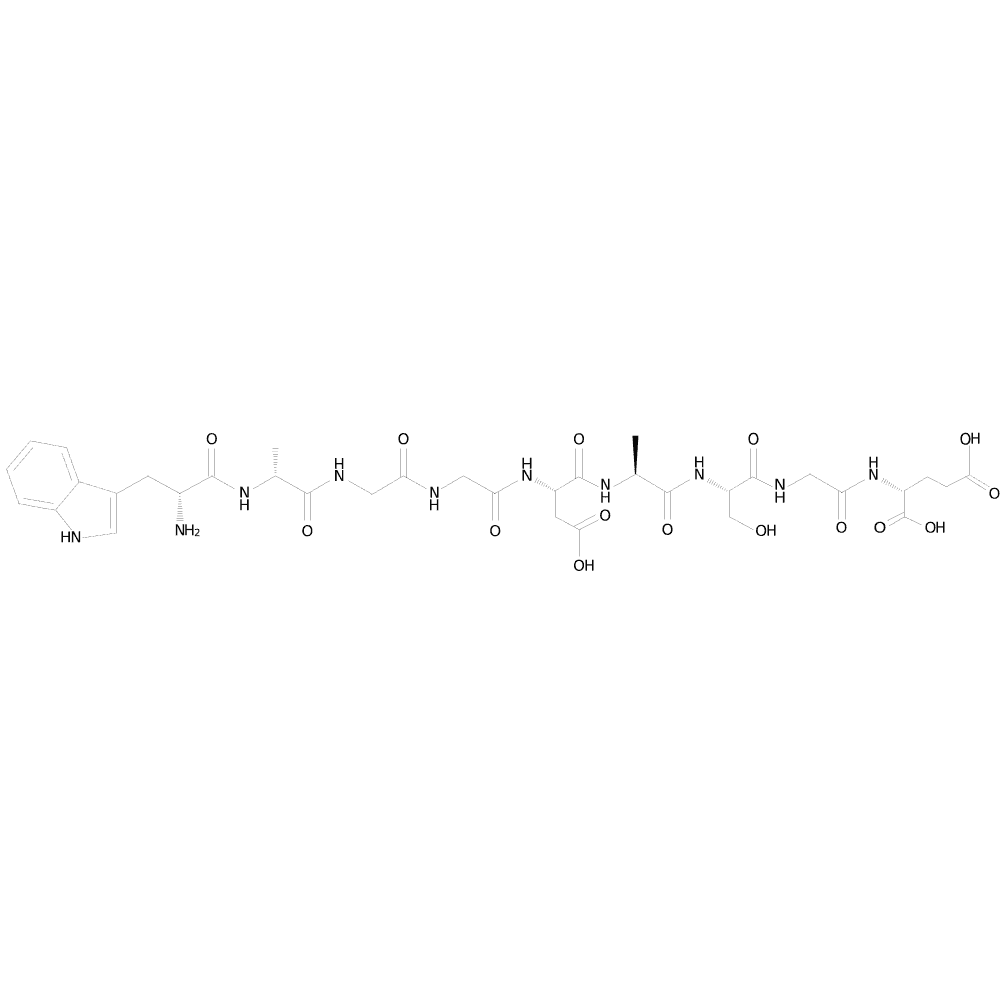
DSIP is a small amphiphilic peptide consisting of nine amino acids (Trp-Ala-Gly-Gly-Asp-Ala-Ser-Gly-Glu) with demonstrated effects on circadian signaling and neuroendocrine regulation in experimental models. Originally identified through its ability to modulate delta-wave patterns in experimental systems, DSIP has been studied for its influence on circadian rhythms, electroencephalographic patterns, and hypothalamic-pituitary-adrenal (HPA) axis activity. Research indicates potential modulatory effects on GABAergic and serotonergic signaling systems, corticosterone and ACTH dynamics, and oxidative stress responses in laboratory settings.
Chemical Profile
Published Research Findings
The following findings are summarized from peer-reviewed literature cited in the References section below.
DSIP has been examined in circadian and neuroendocrine research, with investigations focusing on EEG pattern modulation, HPA axis dynamics, neurotransmitter system interactions, and neuronal signaling effects in various experimental models. Studies explore its influence on circadian biology and molecular stress responses.
Key Areas Identified in the Literature:
DSIP: The Delta Sleep-Inducing Peptide — Original Discovery
Delta sleep-inducing peptide (DSIP) is a naturally occurring nonapeptide (Trp-Ala-Gly-Gly-Asp-Ala-Ser-Gly-Glu) first isolated from the cerebral venous blood of rabbits by Schoenenberger et al. in 1977 at the University of Basel. The peptide was identified during experiments designed to characterize the biological mediators of sleep, in which dialysate from the cerebral venous blood of sleeping donor rabbits was shown to induce a slow-wave sleep state in recipient animals. Subsequent isolation and sequencing identified DSIP as the active nonapeptide responsible for this effect. The original 1977 paper, published in Proceedings of the National Academy of Sciences, described DSIP as a naturally occurring delta-EEG enhancing nonapeptide — referring to its ability to increase delta-wave activity on electroencephalographic recordings, the electrical pattern associated with deep slow-wave sleep. (Source: Schoenenberger G.A. et al., 1977 — PMID: 265577)
Neuroendocrine and Circadian Research
A comprehensive review by Graf and Kastin (1984), published in Peptides, provided an update on the expanding body of DSIP research accumulated in the years following its discovery. By this point, DSIP had been detected in multiple tissues beyond the brain — including plasma, pituitary, adrenal glands, and peripheral organs — suggesting a broader physiological distribution than initially anticipated. Research documented DSIP's interactions with the hypothalamic-pituitary-adrenal (HPA) axis, with studies finding modulatory effects on corticosterone and ACTH secretion in various experimental models. DSIP has also been studied for interactions with neurotransmitter systems including GABAergic, serotonergic, and opioidergic pathways, suggesting a role in broader neuroendocrine regulation beyond sleep-wake biology. (Source: Graf M.V. & Kastin A.J., 1984 — PMID: 6151124)
Amphiphilic Structure and CNS Penetration
DSIP possesses an unusual amphiphilic structure for a biologically active peptide of its size — containing both hydrophilic and hydrophobic domains — which has been studied as a factor in its reported ability to cross the blood-brain barrier. Research by Monnier et al. (1977) characterized comparative properties of both the naturally isolated and synthetic DSIP nonapeptides, confirming that the synthetic version recapitulates the biological activity of the endogenous compound. The peptide has been detected in peripheral blood following central administration in animal models, and conversely in CSF following peripheral administration — a bidirectional distribution profile that remains an active area of research interest. Its small size (molecular weight approximately 848 Da) and amphiphilic character are considered likely contributors to its membrane permeability. All findings cited are from published peer-reviewed research; DSIP is for research purposes only. (Source: Monnier M. et al., 1977 — PMID: 562618)
References
All research findings on this page are derived from the following peer-reviewed publications. Peptide Royalty makes no independent claims — all statements are attributable to the cited authors and their respective studies.
Source DSIP for Your Research
Laboratory tested · USA manufactured · COA available on every batch
Shop All Products →