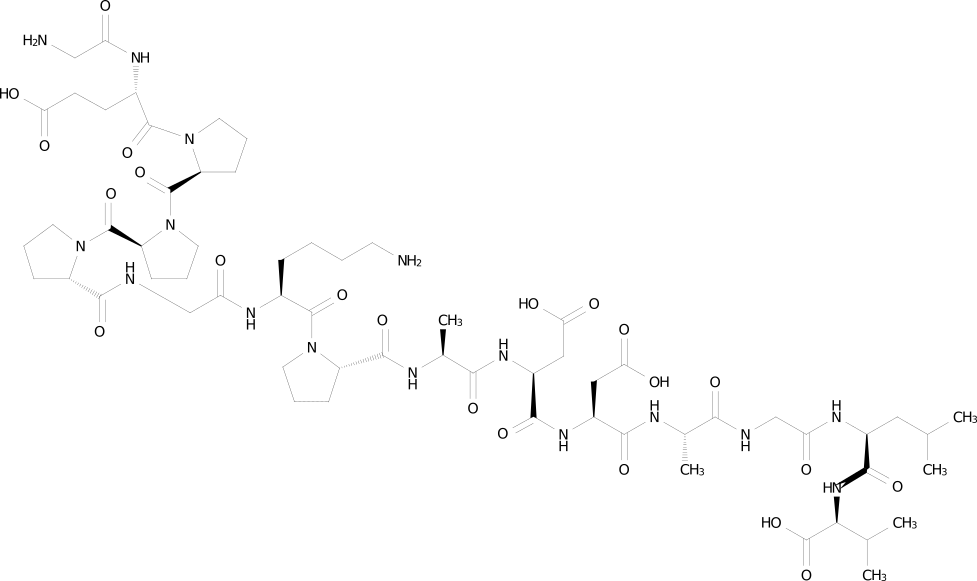
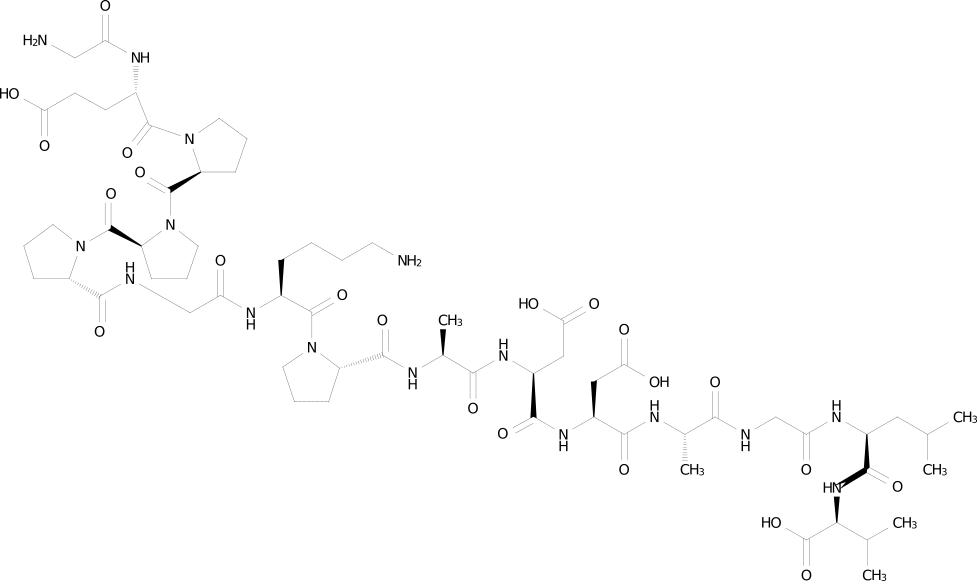
What is GLP-1S?
GLP-1S is a synthetic peptide analog that is structurally modified for extended pathway activity. It is studied in preclinical laboratory models for its ability to activate target pathways and modulate downstream molecular signaling associated with endocrine regulation.Marso S.P. et al. (2016).
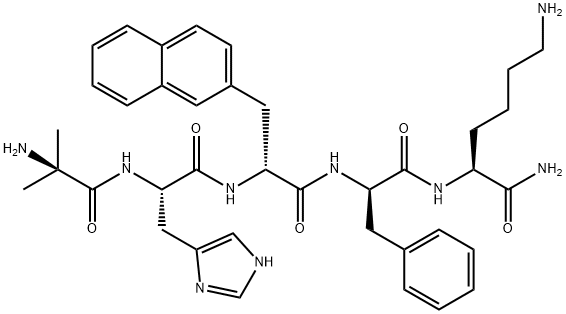
Chemical Profile
Published Research Findings
The following findings are summarized from peer-reviewed literature cited in the References section below.
GLP-1S has been studied across multiple biological models, with research highlighting its activity in downstream pathway signaling and molecular response dynamics in laboratory settings.
Key Areas Identified in the Literature:
GLP-1 Receptor Agonism: The Underlying Biology
GLP-1S is a synthetic peptide analog studied for activity at the glucagon-like peptide-1 (GLP-1) receptor — a G protein-coupled receptor (GPCR) expressed in the pancreas, brain, gastrointestinal tract, heart, and kidneys. The endogenous GLP-1 hormone is produced by L-cells in the intestinal mucosa in response to food intake and acts as an incretin — stimulating glucose-dependent insulin secretion, suppressing glucagon release, slowing gastric emptying, and reducing appetite through central nervous system pathways. The GLP-1 receptor has become one of the most intensively studied drug targets in metabolic medicine due to this multi-organ activity profile. Knudsen et al. (2000) characterized the structure-activity relationships of GLP-1 analogs, establishing the molecular requirements for receptor binding and activation that inform the design of extended-action GLP-1 peptides. (Source: Knudsen L.B. et al., 2000 — PMID: 10869246)
Cardiovascular and Systemic Research
Beyond metabolic regulation, GLP-1 receptor activation has been studied extensively for systemic effects. The LEADER trial (Marso et al., 2016), published in the New England Journal of Medicine, examined cardiovascular outcomes in a large randomized controlled trial involving GLP-1 receptor agonist research. The study provided significant clinical data on the systemic effects of sustained GLP-1 receptor activation across cardiovascular and renal endpoints — findings that have shaped the broader understanding of incretin biology beyond glucose regulation. Research in this area has also documented effects on inflammatory markers, endothelial function, and cardiac remodeling, positioning GLP-1 receptor biology as relevant to systemic metabolic health research well beyond the pancreas. GLP-1S is studied as a research tool for investigating these receptor-mediated pathways. For research use only. (Source: Marso S.P. et al., 2016; Davies M. et al., 2017 — PMID: 28199805)
References
All research findings on this page are derived from the following peer-reviewed publications. Peptide Royalty makes no independent claims — all statements are attributable to the cited authors and their respective studies.
Source GLP-1S for Your Research
Laboratory tested · USA manufactured · COA available on every batch
Shop All Products →