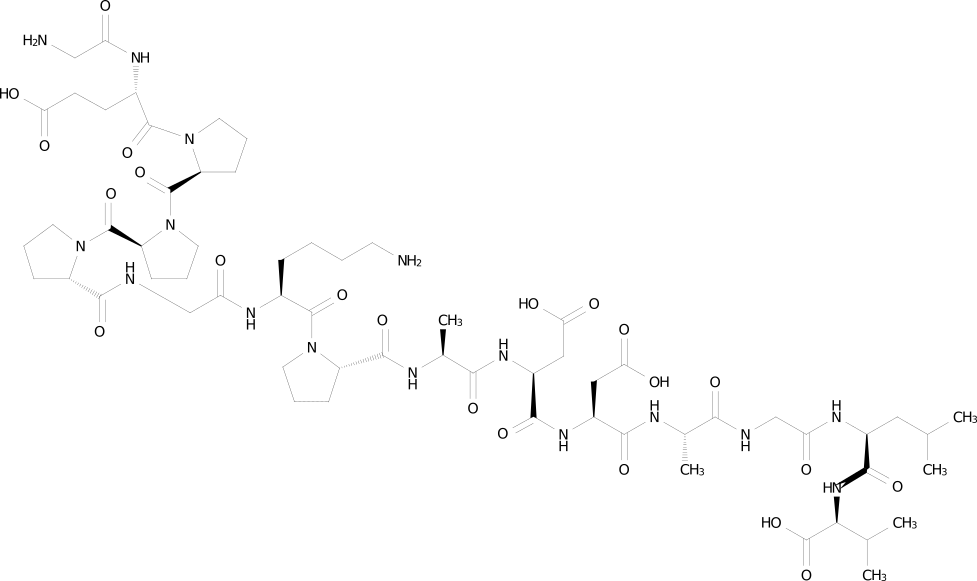
What is KLOW?
The KLOW Blend combines GHK-Cu, BPC-157, TB-500, and KPV into a single formulation studied for its potential influence on molecular signaling and systemic regulation. In laboratory and preclinical models, these peptides have been investigated for their effects on matrix remodeling, angiogenesis, cytokine modulation, and extracellular matrix activity. Together, they provide a platform for exploring synergistic pathways in molecular dynamics, immune signaling, and vascular biology.Pickart L. & Margolina A. 2018
Chemical Profile
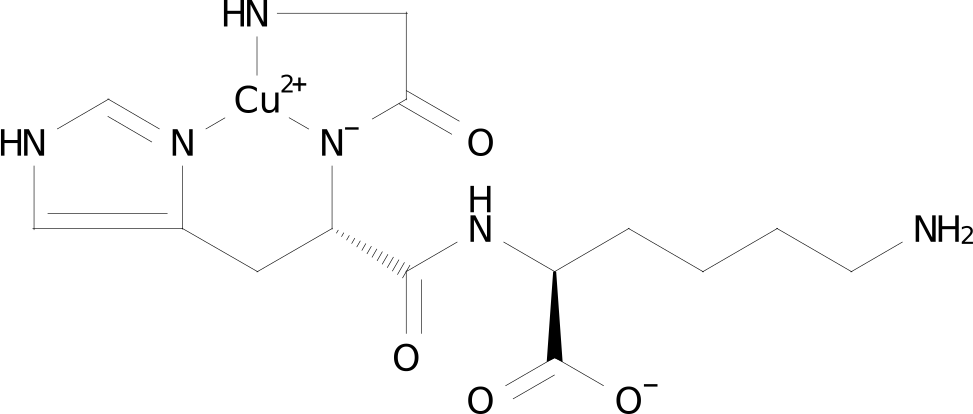
GHK-Cu
BPC-157
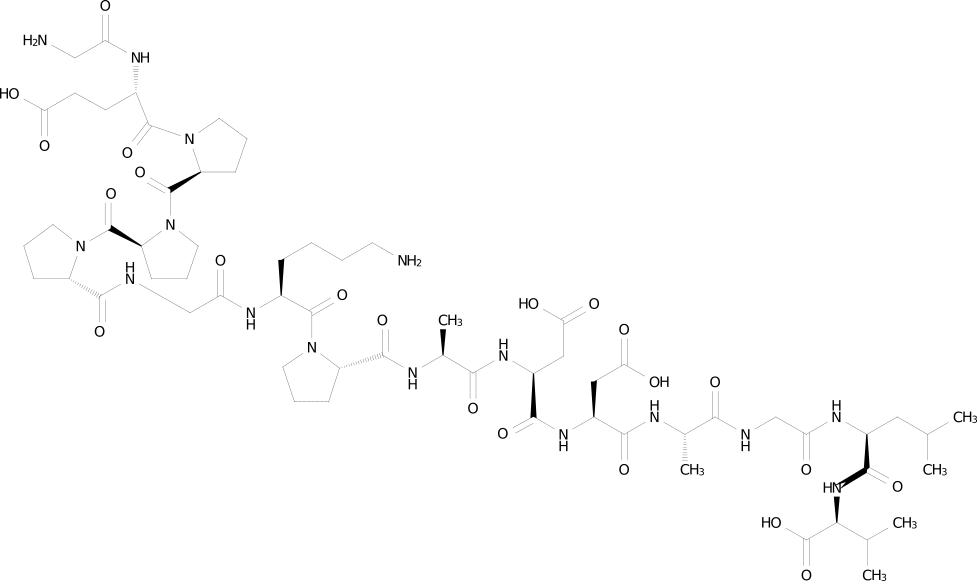
TB-500

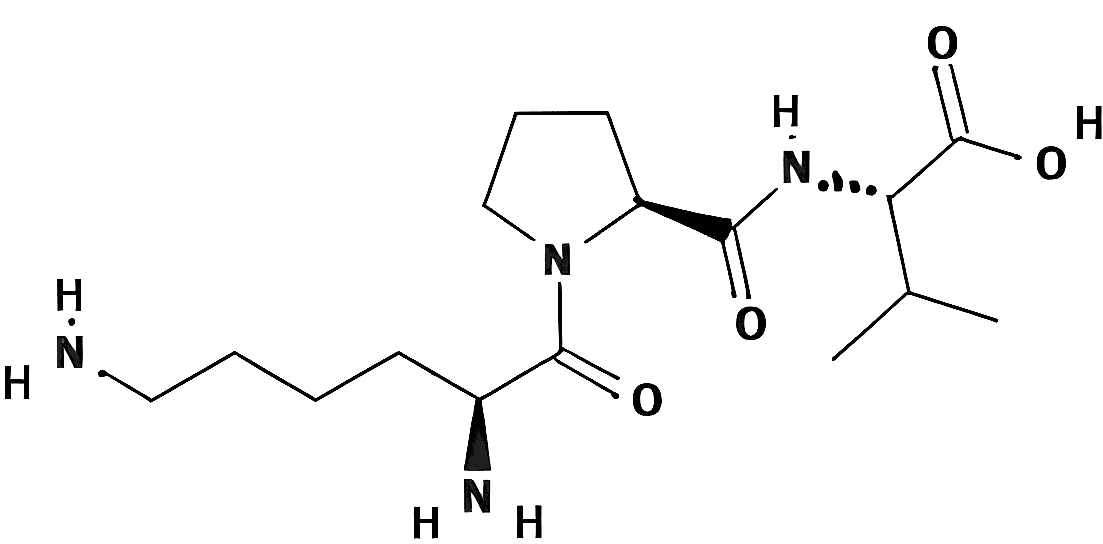
KPV
Published Research Findings
The following findings are summarized from peer-reviewed literature cited in the References section below.
The KLOW Blend, which combines GHK-Cu, BPC-157, TB-500, and KPV, has been studied in structural, vascular, epithelial, and systemic models. Research highlights activity in collagen formation, extracellular matrix remodeling, angiogenesis, molecular migration, and cytokine modulation. The inclusion of KPV further supports immune signaling and cytokine-modulating pathways, expanding the experimental scope of this blend in preclinical settings.
Key Areas Identified in the Literature:
KLOW: A Four-Peptide Research Blend
KLOW is a proprietary blend combining four peptides with documented independent research profiles: GHK-Cu, BPC-157, TB-500, and KPV. It extends the three-compound GLOW formulation with the addition of KPV (Lys-Pro-Val) — a tripeptide derived from the C-terminal sequence of alpha-melanocyte-stimulating hormone (alpha-MSH). While GLOW focuses on structural and vascular research pathways, KLOW adds an immune-modulating and anti-inflammatory dimension through KPV's documented activity at NF-kB and MAP kinase inflammatory signaling pathways. The four components together cover structural remodeling, angiogenesis, endothelial migration, and cytokine modulation — a broad multi-pathway research profile. (Source: Pickart L. et al., 2015 — PMID: 26155344; Sikiric P. et al., 1993 — PMID: 8382625; Goldstein A.L. et al., 2005 — PMID: 15894964; Dalmasso G. et al., 2008 — PMID: 18061177)
KPV: The Anti-Inflammatory Addition
The distinguishing feature of KLOW compared to GLOW is the inclusion of KPV (Lys-Pro-Val), which brings a well-characterized anti-inflammatory mechanism to the blend. Research published in Gastroenterology (Dalmasso et al., 2008) demonstrated that KPV at nanomolar concentrations inhibits NF-kB and MAP kinase signaling — two of the most central inflammatory cascades in mammalian biology. KPV is transported into cells via the PepT1 di/tripeptide transporter, which is upregulated in inflamed intestinal tissue, giving it a degree of tissue-targeted activity in inflammatory bowel disease research models. The anti-inflammatory properties of KPV complement the structural and vascular activities of GHK-Cu, BPC-157, and TB-500, creating a formulation that addresses both the repair and inflammatory dimensions of tissue biology in a research context. (Source: Dalmasso G. et al., 2008 — PMID: 18061177; Brzoska T. et al., 2008 — PMID: 18213447)
Dual Anti-Inflammatory Mechanisms
The combination of GHK-Cu and KPV in KLOW creates a dual anti-inflammatory mechanism: GHK-Cu has been documented to suppress pro-inflammatory cytokines TNF-alpha, IL-6, and IL-1beta through SIRT1/STAT3 pathway modulation (Mao et al., 2025), while KPV suppresses inflammatory signaling through the melanocortin/NF-kB axis. This dual-pathway cytokine modulation, combined with the matrix remodeling and angiogenic properties of BPC-157 and TB-500, positions KLOW as a multi-compound research tool for studying the intersection of inflammatory and repair biology. Researchers investigating tissue biology, mucosal health, or wound response pathways may find the four-component profile of KLOW useful for modeling complex biological environments in vitro and in vivo. All information is derived from individual compound research literature. For research purposes only. (Source: Mao S. et al., 2025 — PMID: 40672369; Dalmasso G. et al., 2008 — PMID: 18061177)
References
All research findings on this page are derived from the following peer-reviewed publications. Peptide Royalty makes no independent claims — all statements are attributable to the cited authors and their respective studies.
Source KLOW for Your Research
Laboratory tested · USA manufactured · COA available on every batch
Shop All Products →