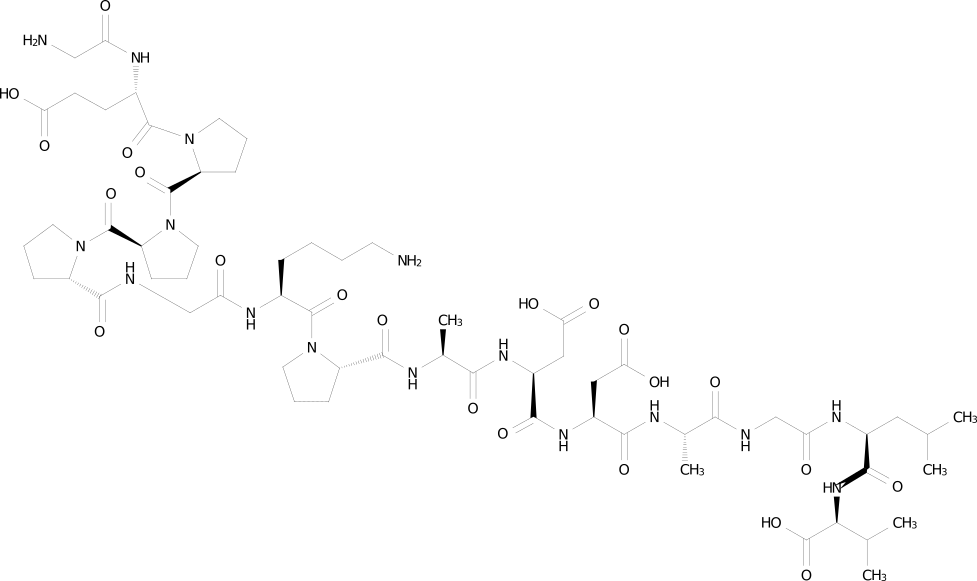
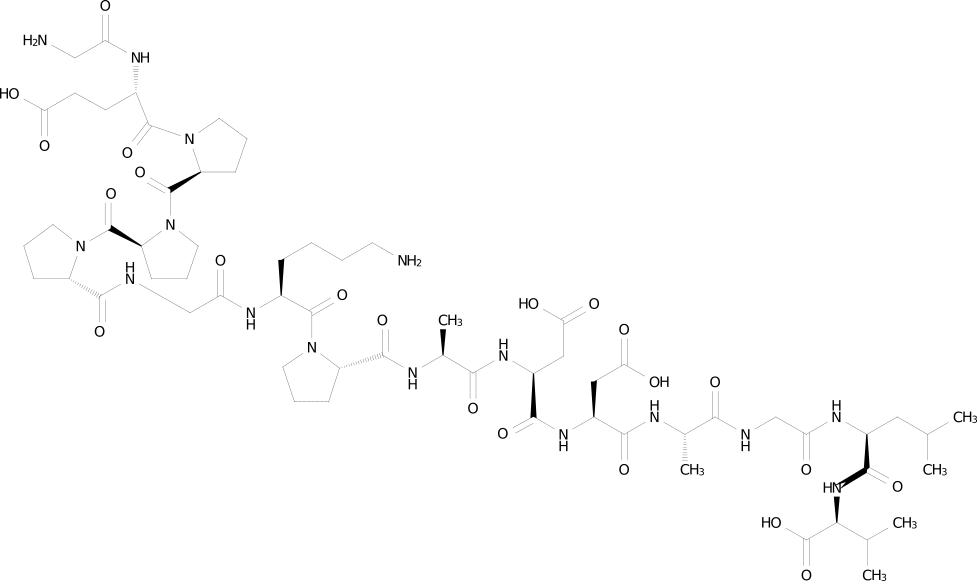
What is KPV?
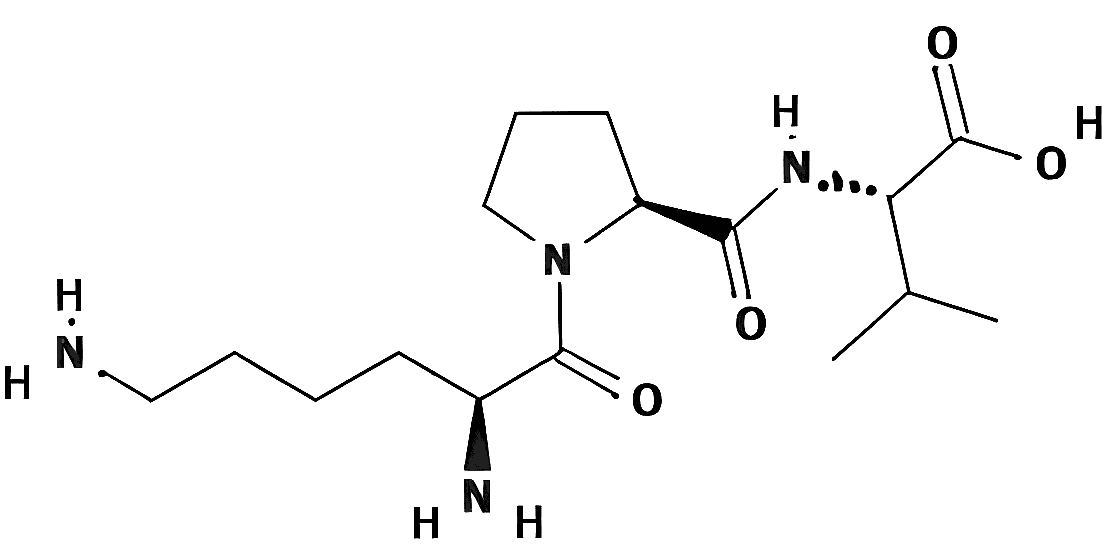
KPV is a small tripeptide derived from the C-terminus of α-MSH that retains signaling activity while lacking melanotropic effects. Through PepT1-mediated uptake in epithelial and macrophage models, KPV directly accesses intracellular compartments where it modulates NF-κB signaling and reduces expression of key cytokines including TNF-α, IL-1β, IL-6, and IL-8. Research models examine KPV's effects on cytokine signaling cascades, epithelial barrier dynamics through tight junction protein regulation, mucosal modeling in experimental systems, and antimicrobial properties in laboratory settings.Dalmasso et al. (2008). Brzoska et al. (2008).
Chemical Profile
Published Research Findings
The following findings are summarized from peer-reviewed literature cited in the References section below.
KPV has been extensively studied in cytokine signaling research, with investigations focusing on NF-κB pathway modulation, epithelial signaling models, barrier dynamics, and immune modulation in various experimental systems. Studies examine both its unique transporter-mediated delivery and potent cytokine-modulating mechanisms.
Key Areas Identified in the Literature:
KPV: A Fragment of Alpha-MSH with Anti-Inflammatory Properties
KPV is a tripeptide (Lys-Pro-Val) derived from the C-terminal sequence of alpha-melanocyte-stimulating hormone (α-MSH). Alpha-MSH is a 13-amino-acid neuropeptide that binds melanocortin receptors and exerts well-documented anti-inflammatory effects. KPV retains the core anti-inflammatory activity of the parent molecule in a much smaller, more stable tripeptide structure. Research by Dalmasso et al. (2008), published in Gastroenterology, demonstrated that KPV at nanomolar concentrations inhibits NF-κB and MAP kinase inflammatory signaling pathways in intestinal epithelial cells and T cells — two of the most important inflammatory cascades in mucosal immunity. This study established KPV as a functionally potent anti-inflammatory compound at extremely low concentrations. (Source: Dalmasso G. et al., 2008 — PMID: 18061177)
PepT1-Mediated Cellular Uptake Mechanism
One of the most significant findings from Dalmasso et al. (2008) was the identification of PepT1 as the transporter responsible for KPV cellular uptake. PepT1 is a di/tripeptide transporter normally expressed in the small intestine but significantly upregulated in the colon during inflammatory bowel disease — meaning its expression increases precisely at sites of inflammation where KPV's effects would be most relevant. This transport mechanism suggests a degree of selectivity in KPV's delivery: in normal colonic tissue, uptake is limited, but in inflamed tissue, PepT1 upregulation increases KPV absorption at the target site. In two mouse colitis models, KPV administration reduced measurable inflammatory markers, confirming in vivo relevance of the in vitro mechanistic findings. (Source: Dalmasso G. et al., 2008 — PMID: 18061177)
Broader Melanocortin Peptide Research Context
The anti-inflammatory properties of KPV fit within a larger body of melanocortin peptide research. A review by Brzoska et al. (2008) in Inflammation Research described α-MSH-related peptides as a new class of anti-inflammatory and immunomodulating compounds, highlighting their ability to suppress cytokine production, inhibit NF-κB activation, and modulate adaptive immune responses without the immune suppression side effects of corticosteroids. KPV, as the C-terminal tripeptide of α-MSH, is studied as a minimal active fragment capable of recapitulating these effects. Research in this area positions KPV as a candidate for investigating gut inflammatory pathways, cytokine biology, and peptide-based approaches to modulating innate immune signaling — all for research purposes only. (Source: Brzoska T. et al., 2008 — PMID: 18213447)
References
All research findings on this page are derived from the following peer-reviewed publications. Peptide Royalty makes no independent claims — all statements are attributable to the cited authors and their respective studies.
Source KPV for Your Research
Laboratory tested · USA manufactured · COA available on every batch
Shop All Products →