What is L-Glutathione?
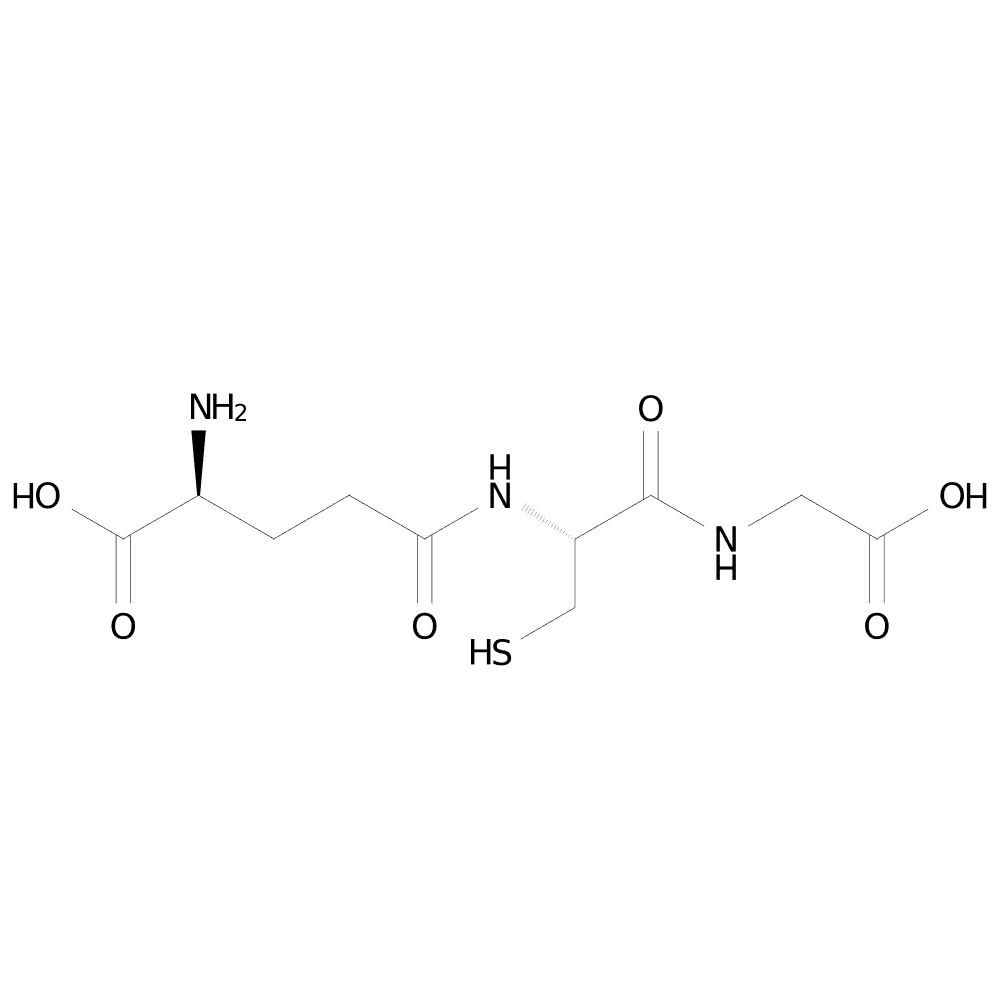
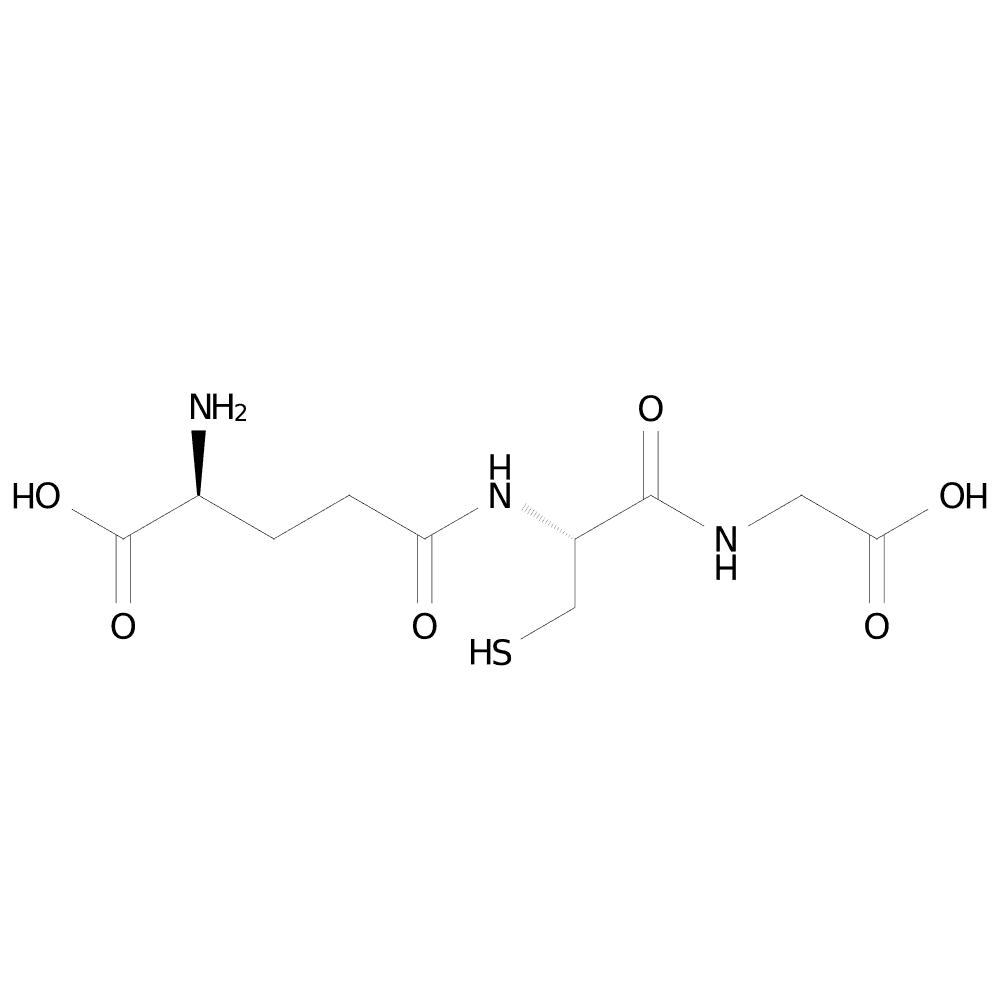
L-Glutathione is a ubiquitous tripeptide present in virtually all living organisms, serving as a primary intracellular antioxidant and redox regulator. In its reduced form (GSH), it participates in neutralizing reactive oxygen species (ROS), maintaining redox homeostasis, and supporting the integrity of proteins, lipids, and DNA against oxidative stress. Through its sulfhydryl group on the cysteine residue, glutathione acts as a substrate for peroxidase enzymes that reduce hydrogen peroxide and lipid peroxides. Research models examine its role in phase II conjugation pathways, molecular proliferation and signaling, mitochondrial function, and protein folding regulation in laboratory settings.Forman et al. (2009). Lu (2013).
Chemical Profile
Published Research Findings
The following findings are summarized from peer-reviewed literature cited in the References section below.
L-Glutathione has been extensively studied in redox biology research, with investigations focusing on antioxidant mechanisms, conjugation pathways, signaling modulation, and molecular integrity in various experimental models. Studies examine glutathione's role in enzymatic reactions, protein modification, and molecular signaling cascades.
Key Areas Identified in the Literature:
The Most Abundant Intracellular Antioxidant
Glutathione (GSH) is the most abundant non-protein thiol compound synthesized in cells, present in virtually all mammalian tissues. A foundational review by Forman et al. (2009) in Molecular Aspects of Medicine established glutathione's central roles: defense against oxidative stress, regulation of redox signaling, detoxification of xenobiotics and electrophiles, and regulation of cell proliferation, apoptosis, immune function, and fibrogenesis. Unlike many antioxidants consumed through diet, glutathione is biosynthesized endogenously in the cytosol of cells in a tightly regulated process. The rate-limiting enzyme of this process is glutamate cysteine ligase (GCL), and cysteine availability is the primary determinant of how much glutathione a cell can produce. (Source: Forman H.J. et al., 2009 — PMID: 18796312)
Biosynthesis and Regulation
Glutathione biosynthesis occurs via the gamma-glutamyl cycle — a two-step, ATP-dependent process first comprehensively described by Meister and Anderson (1983) in the Annual Review of Biochemistry, one of the most cited papers in the field. In the first step, gamma-glutamylcysteine is formed by the action of gamma-glutamylcysteine synthetase (GCL), the rate-limiting enzyme subject to feedback inhibition by glutathione itself. In the second step, glycine is added by glutathione synthetase to complete the tripeptide structure. The redox cycle maintained by glutathione peroxidase and glutathione reductase continuously neutralizes hydrogen peroxide and lipid peroxides, regenerating GSH from its oxidized form GSSG. GCL subunits and GSH synthetase are regulated at the transcriptional level by Nrf2/ARE, AP-1, and NF-κB pathways — linking glutathione production directly to cellular stress sensing. (Source: Meister A. & Anderson M.E., 1983 — PMID: 6137189; Lu S.C., 2013 — PMID: 22995213)
Detoxification and Immune Research
Beyond its antioxidant role, glutathione serves as the primary conjugation molecule for the detoxification of electrophilic compounds — including drugs, environmental toxins, and metabolic byproducts — via glutathione S-transferase enzymes. This conjugation reaction renders toxic electrophiles water-soluble and facilitates their elimination. Research has also linked intracellular glutathione levels to immune cell function: lymphocytes, natural killer cells, and macrophages all rely on adequate GSH levels for optimal proliferative and cytotoxic responses. Reduced glutathione has been documented in numerous disease states associated with oxidative burden. Supplemental glutathione for research purposes is studied as a means of investigating these biological pathways. For research use only. (Source: Lu S.C., 2013 — PMID: 22995213)
References
All research findings on this page are derived from the following peer-reviewed publications. Peptide Royalty makes no independent claims — all statements are attributable to the cited authors and their respective studies.
Source L-Glutathione for Your Research
Laboratory tested · USA manufactured · COA available on every batch
Shop All Products →