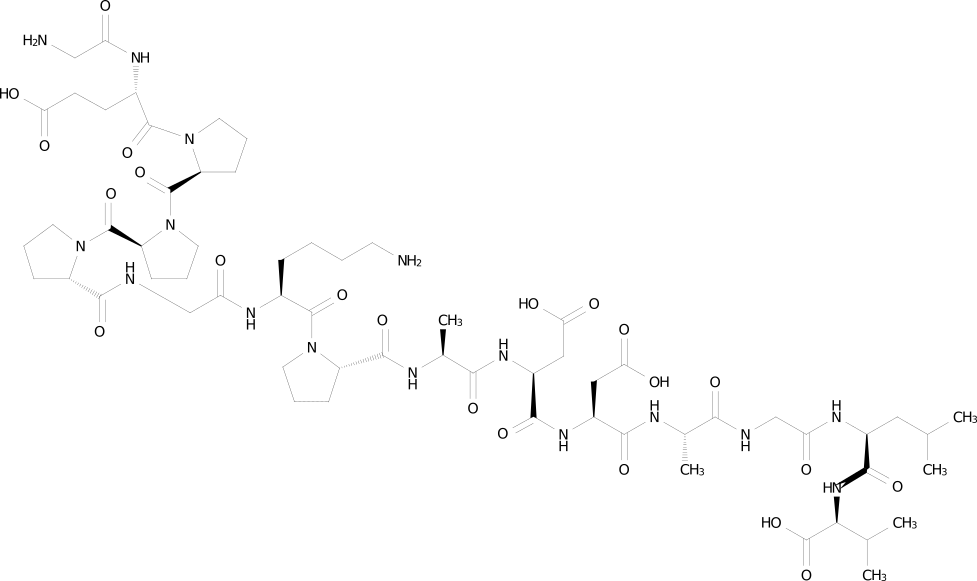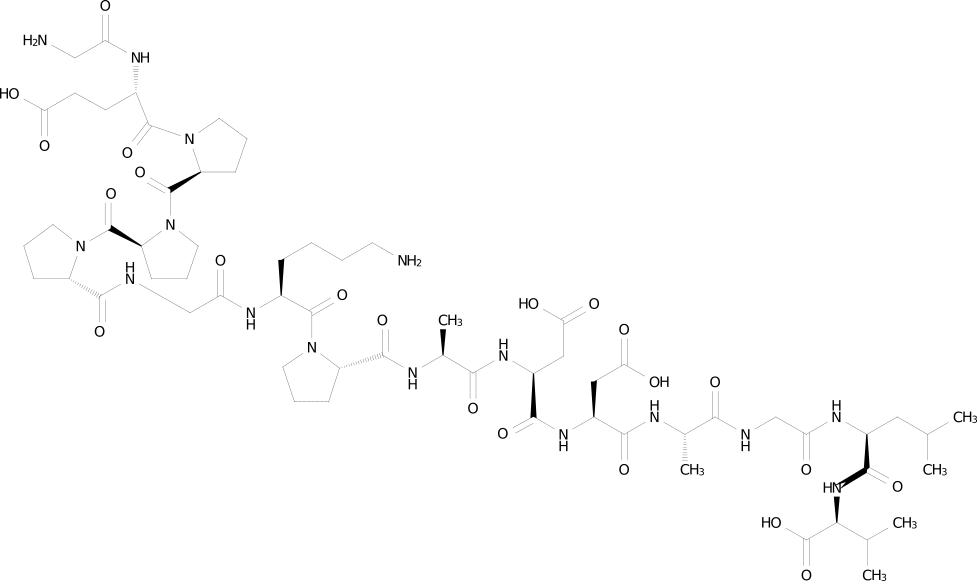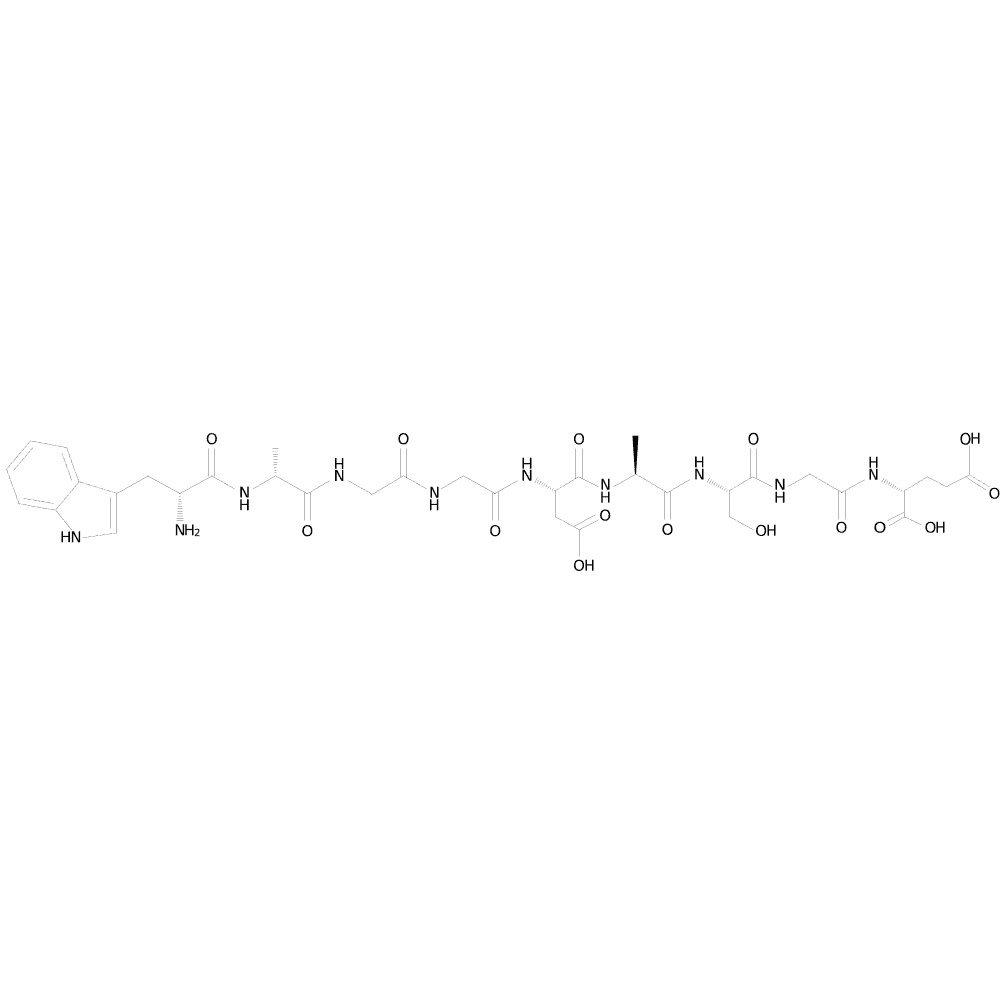
What is Semax?
Semax is a synthetic heptapeptide derived from adrenocorticotropic hormone (ACTH 4-10) with the addition of a C-terminal Pro-Gly-Pro sequence. It is studied in laboratory and preclinical models for its influence on neuronal signaling, CNS pathway dynamics, and molecular stress responses. Research has investigated its ability to modulate neurotrophic factor expression, neurotransmitter systems, and oxidative stress pathways.Ashmarin I.P. et al. (1997).
Chemical Profile
Published Research Findings
The following findings are summarized from peer-reviewed literature cited in the References section below.
Semax has been studied in neurological, CNS, and systemic models, with research highlighting its role in neuronal signaling, synaptic pathway dynamics, and stress response. Studies also report activity in neurotransmitter modulation, oxidative stress pathways, and signaling dynamics in preclinical settings.
Key Areas Identified in the Literature:
Semax: Origin and Structural Design
Semax is a synthetic heptapeptide derived from the 4-10 fragment of adrenocorticotropic hormone (ACTH 4-10) with an additional C-terminal Pro-Gly-Pro sequence appended to enhance metabolic stability. ACTH 4-10 itself (Met-Glu-His-Phe-Arg-Trp-Gly) has been known since the 1970s to possess neurotrophic and cognitive-modulating properties in animal models. The Pro-Gly-Pro extension was added by Russian researchers to substantially increase resistance to enzymatic degradation in vivo, extending the peptide's effective activity window in laboratory models. First described by Ashmarin et al. in the 1990s, Semax was developed at the Institute of Molecular Genetics of the Russian Academy of Sciences and has been a subject of neuroscience research for over three decades. (Source: Ashmarin I.P. et al., 1997 — PMID: 9280233)
Neurotrophic Factor Modulation in Research Models
One of the most consistently documented effects of Semax in laboratory research is its ability to modulate brain-derived neurotrophic factor (BDNF) and nerve growth factor (NGF) expression. Research by Inozemtsev et al. (2008) examined the relationship between Semax administration and gene expression patterns in CNS tissue, with results indicating upregulation of neurotrophic signaling pathways. BDNF is a critical mediator of neuronal survival, synaptic plasticity, and learning-related processes in the brain, making its modulation a significant focus of neuroprotection research. Semax has also been studied in models of ischemia-reperfusion injury, where preservation of neuronal function is of particular research interest. These findings position Semax as a research tool for investigating neurotrophic signaling in CNS biology. (Source: Inozemtsev A.N. et al., 2008 — PMID: 18954077)
Neuroprotection Research
Research by Volodina et al. (2011) investigated the protective effects of Semax in ischemia-reperfusion experimental models — laboratory conditions designed to replicate the cellular stress associated with reduced blood flow followed by restoration. The study reported that Semax administration was associated with reduced markers of oxidative stress and preserved neuronal viability in the studied preparations. Semax's documented effects on dopaminergic, serotonergic, and GABAergic neurotransmitter systems have made it a subject of interest for research into CNS signaling networks more broadly. The peptide's small size and demonstrated CNS penetration in animal models make it a useful research compound for investigating neuroactive peptide pharmacology. For research use only. (Source: Volodina O.L. et al., 2011 — PMID: 21899017)
References
All research findings on this page are derived from the following peer-reviewed publications. Peptide Royalty makes no independent claims — all statements are attributable to the cited authors and their respective studies.
Source Semax for Your Research
Laboratory tested · USA manufactured · COA available on every batch
Shop All Products →